Microsoft’s $300M AI Investment in South Africa: A Catalyst for Digital Transformation
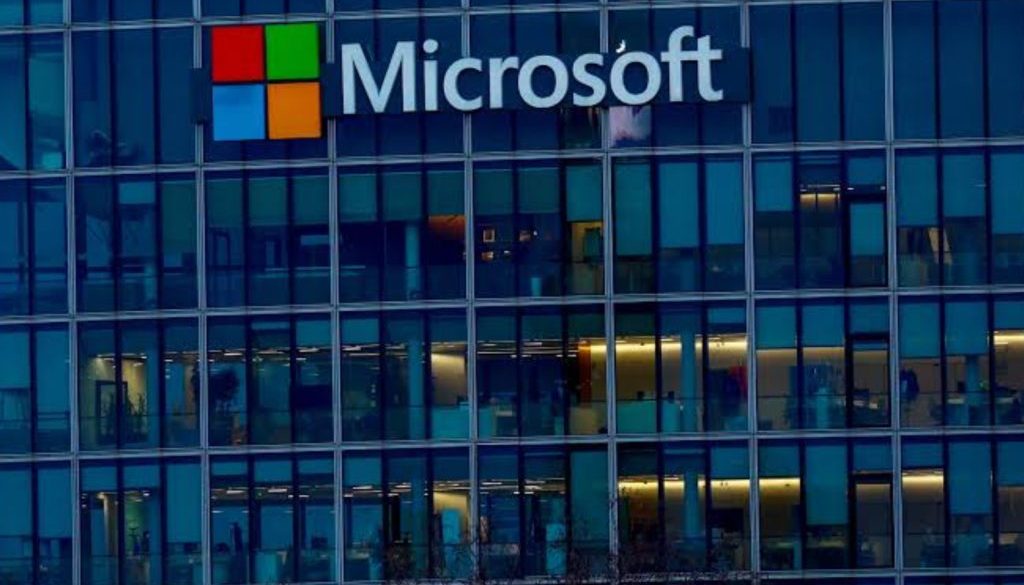
In March 2025, Microsoft announced a significant investment of approximately $300 million (ZAR 5.4 billion) to expand its cloud and artificial intelligence (AI) infrastructure in South Africa by 2027. This move builds on the company’s prior $1.1 billion investment in establishing enterprise-grade data centers in Johannesburg and Cape Town, positioning South Africa as a burgeoning hub for AI and cloud computing in Africa. The announcement, made alongside South African President Cyril Ramaphosa, underscores Microsoft’s long-standing commitment to the region and signals confidence in South Africa’s economic potential.
Economic and Technological Impact
The $300 million investment is poised to have a transformative impact on South Africa’s digital economy. By enhancing its Azure cloud services and AI infrastructure, Microsoft aims to enable organizations—from startups to multinational corporations and government entities—to leverage advanced digital tools for improved efficiency, productivity, and innovation. This investment is part of Microsoft’s broader global commitment of $80 billion in 2025 to develop AI-enabled data centers, with South Africa playing a key role in addressing the growing demand for AI and cloud-based applications in the Global South.
South Africa’s strategic position as a technology hub is strengthened by this initiative. The country already hosts Microsoft’s enterprise-grade data centers, a critical asset for handling the high computational demands of AI. This infrastructure expansion is expected to drive economic growth by empowering businesses, entrepreneurs, and innovators to develop AI-driven solutions tailored to local challenges. However, the investment also raises concerns about increased energy demands, as AI data centers are notoriously power-intensive. Analysts suggest this could accelerate the adoption of independent power producer agreements and more efficient AI models to mitigate electricity consumption.
Job Creation and Workforce Development
A cornerstone of Microsoft’s investment is its focus on skilling and job creation. The company has committed to training one million South Africans in AI, machine learning, and cybersecurity by 2026, with a particular emphasis on empowering youth and underserved communities. In 2024 alone, Microsoft’s Skills for Jobs program trained over 150,000 individuals, certified 95,000, and facilitated employment for 1,800 people. As part of the new initiative, Microsoft will fund certification exams for 50,000 young South Africans over the next 12 months, enabling them to earn Microsoft Certified credentials in high-demand fields such as AI, data science, cybersecurity, and cloud solution architecture.
These certifications validate proficiency in critical technologies, equipping job seekers with globally recognized skills to compete in the AI-driven economy. The initiative addresses the critical skills gap highlighted by the World Economic Forum’s Future of Jobs Report 2025, which notes that over 60% of companies in the Global South identify skill shortages as a barrier to digital transformation. By fostering a future-ready workforce, Microsoft’s efforts are expected to create new employment opportunities and support inclusive economic growth.
Python and AI Training Initiatives
Python, a versatile and widely used programming language, is central to Microsoft’s AI training programs. The company’s AI skilling initiatives include comprehensive training in AI and machine learning, with Python as a key tool for developing AI solutions. Through partnerships with local universities, vocational colleges, and NGOs, Microsoft is expanding access to AI education, particularly for youth and marginalized communities. The AI Skills Navigator portal, a free resource, allows individuals to assess their AI knowledge and access tailored learning paths, including Python-based AI development courses.
Microsoft’s collaboration with local tech startups, such as Lelapa AI, further amplifies its impact. Lelapa AI’s InkubaLM, Africa’s first multilingual AI small language model, supports low-resource languages like Swahili, Yoruba, isiXhosa, Hausa, and isiZulu. By integrating Python-based AI tools, these initiatives empower South Africans to create homegrown solutions that address local challenges, from healthcare and education to agriculture and governance.
Building AI Hubs and Fostering Innovation
The investment solidifies South Africa’s role as a regional AI hub. The expansion of data centers in Johannesburg and Cape Town, coupled with a new data center campus planned in Centurion, enhances the country’s capacity to support AI innovation. Microsoft’s AI Access Principles ensure that these systems are deployed responsibly, prioritizing inclusivity and ethical AI development. Local organizations, such as the South African Revenue Service (SARS) and retail giant SPAR, are already leveraging Microsoft’s AI tools, like Microsoft 365 Copilot, to streamline operations and boost productivity.
Additionally, Microsoft’s partnerships with institutions like the National School of Government and the National Electronic Media Institute of South Africa aim to train public servants in AI, enhancing government transparency and service delivery. These efforts align with South Africa’s National Data and Cloud Policy and the upcoming Cybersecurity Bill, which seek to create a secure and innovative digital ecosystem.
A Vote of Confidence in South Africa
President Cyril Ramaphosa described Microsoft’s investment as a “vote of confidence” in South Africa’s economy, signaling to global investors that the country remains a favorable destination for business. Microsoft’s 30-year presence in South Africa, coupled with its achievement of Level 1 Broad-Based Black Economic Empowerment status, reflects its commitment to local empowerment and economic transformation. The investment is expected to attract further interest ahead of the 2025 South Africa Investment Conference, which has already secured R1.14 trillion in commitments since 2018.
Challenges and Opportunities
While the investment promises significant benefits, challenges remain. The energy-intensive nature of AI infrastructure could strain South Africa’s power grid, necessitating sustainable solutions like renewable energy contracts. Microsoft has already made strides in this area, with a global 34-gigawatt renewable energy portfolio and water replenishment projects to support its sustainability goals. Additionally, ensuring equitable access to AI training across rural and underserved areas will be critical to maximizing the initiative’s impact.
What’s Next?
Microsoft’s $300 million investment marks a pivotal moment for South Africa’s digital transformation. By expanding AI infrastructure, fostering job creation, and prioritizing Python-based AI training, the company is laying the foundation for a resilient and inclusive digital economy. As South Africa embraces AI, the collaboration between government, private sector, and civil society will be key to unlocking its full potential.
What do you think about Microsoft’s investment in South Africa’s AI economy? How do you see AI shaping the future of jobs and innovation in the region? Share your thoughts in the comments below!
Sources
- DataCenterDynamics: Microsoft to invest $300m in cloud and AI infrastructure in South Africa
- CoinGeek: Microsoft invests $300 million to boost AI in South Africa
- BizCommunity: Microsoft adds R5bn to SA investment with youth and SME benefits
- iAfrica: Microsoft Prioritises SA and Kenya in Global AI Skilling Drive
- Microsoft News: Microsoft AI Skilling Day aimed at creating the enablers for South Africa’s future in AI
- Yahoo Finance: South Africa Data Center Market Investment Analysis Report 2025-2030
- X Post by @AfricaFactsZone
- X Post by @CyrilRamaphosa